
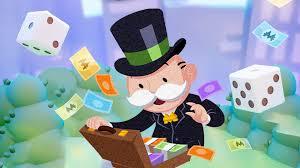
The first time you open Monopoly Go, it feels familiar for about ten seconds. Then it turns into its own thing. The board, the tokens, the whole look still nod to the old game, and if you've seen a Monopoly Go Partners Event pop up while you're playing, you'll know straight away this version is built for speed, not for sitting round a table all night arguing over rent. You tap, roll, collect cash, and move on. That's the hook. It cuts out the slow build of classic Monopoly and replaces it with a quick loop that feels much more like a phone game should feel.
Why the pace changes everything
In the tabletop game, the tension comes from waiting. In Monopoly Go, waiting is the one thing it tries not to do. You're not carefully building a property empire in the old-school sense. Instead, you're racing to earn money and pour it into landmarks, one upgrade at a time, until the whole board is finished. Then you're off to the next one. That steady progress matters more than people think. It gives you a reason to keep logging in because something is always nearly done. You don't get stuck in that endless loop of passing Go and hoping somebody slips up. You feel like you're actually getting somewhere.
The bit that makes it personal
What keeps most players around isn't just the board building. It's the little bursts of chaos with other people. One roll lands you in a Bank Heist. Another throws you into a Shutdown. Suddenly you're not just collecting cash, you're wrecking a mate's landmark or nicking coins from someone who hasn't checked the game in hours. It's a bit petty, honestly, but that's why it's funny. There's no huge layer of strategy to it, and it doesn't need one. The fun comes from the interruption. Every now and then the routine breaks, and the game feels alive again. Then there are stickers. People get seriously locked in on those. Finishing a set can mean a huge pile of dice, and once you realise dice are basically your oxygen, those albums start to matter a lot.
The daily loop players fall into
The real engine behind Monopoly Go is simple: limited rolls. That's what shapes the whole experience. You jump in for a few minutes, spend your dice, grab whatever bonuses are available, and then you're done until the next refill or event reward. It fits into normal life almost too well. On the train, in a queue, during lunch, before bed. That's why so many people stick with it. It never asks for a massive time commitment, but it always gives you a reason to come back. And when an event is running, that routine gets even stronger because every roll feels like it might unlock something useful.
Why it works on mobile
Classic Monopoly is still its own beast. It's slower, meaner, and built around the long haul. Monopoly Go chases a completely different feeling. It wants that quick hit, that little rush when a heist lands big or a board gets finished with your last few rolls. That's why it works so well on a phone. It's light, fast, and easy to dip in and out of. For players who want to keep up with events, collect more resources, or look for game items without wasting time, RSVSR can feel like a handy option alongside the game itself. It doesn't replace the old board on the shelf, but it does turn the Monopoly formula into something people actually want to play every day.

 English