
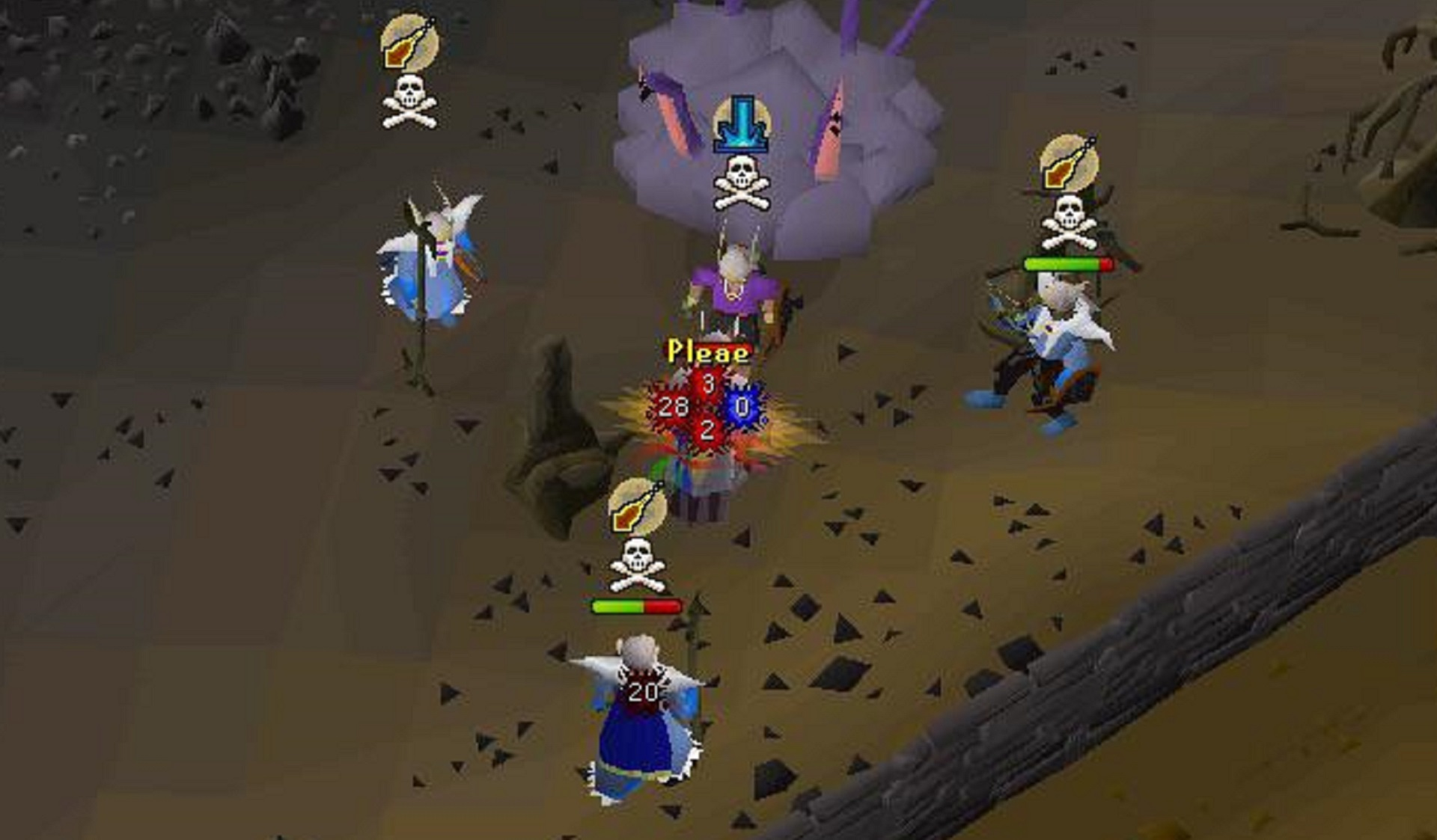
From there, gear becomes more specialized. Blue moon armor supports hybrid builds, while Virtus robes excel when using Ancient Magicks, offering massive damage boosts for RuneScape gold those spells.
Ancestral robes are the general best-in-slot magic armor, providing the highest overall accuracy and damage bonuses. While expensive, they are unmatched for most PvM scenarios.
Essential Gear Slots
Beyond weapons and armor, several gear slots significantly impact your magic performance.
For necklaces, the occult necklace is a must-have, providing a 5% magic damage boost-the highest in the slot. Earlier options like the amulet of glory or fury are useful, but don't offer direct damage increases.
In the cape slot, god capes from Mage Arena are essential. The upgraded version from Mage Arena II is best-in-slot and should be a priority.
For gloves, barrows gloves are a strong all-around option, but the tormented bracelet adds a valuable magic damage boost. Endgame players can upgrade to even stronger options like Confliction gauntlets.
In the shield slot, tomes of fire, water, and earth enhance elemental spells and provide unlimited runes. Higher-tier options like the Elidinis' ward offer both accuracy and damage boosts, making them ideal for late-game setups.
Rings also play a role. The seers ring (imbued) is a solid mid-game choice, while the magus ring provides the best magic bonuses in the game.
Efficient Magic Gear Progression
A smart progression path ensures you don't waste OSRS GP on unnecessary upgrades.
Start with basic robes and an elemental staff. Move into mystic gear at level 40, then upgrade to bloodbark or Ahrim's around level 60–70.
At the same time, prioritize key accessories like the occult necklace, god cape, and tormented bracelet. These often provide better value than armor upgrades.
Weapon upgrades should be your main focus. Transition from basic staves to Iban's staff, then to tridents, and eventually to high-end options like the Sanguinesti staff or Tumeken's shadow.
In the late game, invest in ancestral robes and best-in-slot accessories, but always prioritize weapons first, as they have the biggest impact on DPS.
Final Thoughts
Magic in OSRS rewards knowledge and planning more than any other combat style. By understanding how spells, gear, and bonuses interact, you can maximize your efficiency without overspending.
Focus on meaningful upgrades, take advantage of elemental weaknesses, and prioritize weapons over cosmetic improvements. With the right approach, magic becomes not only powerful but one of the most satisfying styles to master in the game.
OSRS Boss Progression Guide: From Beginner to Endgame
If you've ever found yourself wondering, "What boss should I fight next?" in Old School RuneScape, you're not alone. Bossing progression isn't a straight path-it depends heavily on your stats, gear, and personal skill level. Some players jump straight into high-level PvM, while others prefer to gradually build confidence. This guide walks you through boss progression from the easiest encounters to more challenging fights, helping you decide what to tackle next.
Understanding Boss Difficulty
Before diving into specific bosses, it's important to recognize that difficulty in OSRS is subjective. A boss that feels easy for one player might be frustrating for another. Mechanics, reaction time, and familiarity all play a role. Gear is also a major factor-upgrading your equipment can turn a previously difficult boss into something far more manageable. A large number of OSRS GP can also be of great help to you.
You don't need top-tier items to begin bossing. In fact, most players gradually work their way up, improving both their gear and mechanical skill over time.
Early Practice: Learning the Basics
Before stepping into traditional bossing, there are a few activities that help build foundational skills. While not technically bosses, they introduce mechanics like movement and timing.
One standout early encounter is Scurrius, a beginner-friendly boss designed to teach core PvM mechanics. Here, players learn prayer switching, handling minions, and reacting to simple attacks. Mistakes aren't heavily punished, making it an ideal training ground. Mastering Scurrius can prepare you for more nerve-wracking fights later on.
There are also simple free-to-play bosses like Bryophyta and Obor. Bryophyta is straightforward-protect from magic and deal with her minions. Obor is slightly more dangerous due to his ranged attacks and knockback mechanics, but he remains accessible for lower-level players.
Entry-Level Bossing
Once you're comfortable with basic mechanics, you can move on to early-game bosses that introduce slightly more complexity.
The Giant Mole is a popular starting point. While mechanically simple, it can be tedious due to its habit of burrowing and relocating mid-fight. Completing the Falador Hard Diary makes this boss significantly easier by tracking its movement.
Another early boss is the King Black Dragon. While accessing it requires traveling through the Wilderness, the fight itself is relatively safe once inside. With proper dragonfire protection and melee prayer, it becomes a manageable encounter. Many players farm it primarily for its pet rather than profit.
Sarachnis is another solid step up. This boss requires mid-level combat stats and introduces minion management. Using a crush weapon is recommended, and players must stay aware of additional enemies during the fight.
Mid-Level Bosses
As your stats improve, you can start tackling bosses that require more attention to mechanics and preparation.
Skotizo is a great mid-level challenge. To access it, you'll need to collect totem pieces from the Catacombs of Kourend. The fight involves destroying pillars that protect the boss while avoiding incoming damage. It's a rewarding encounter with decent loot and a chance at clue scrolls.
Barrows is another staple of mid-level PvM. With 43 Prayer for protection prayers and a basic magic setup, players can efficiently defeat the Barrows brothers. Thanks to elemental weaknesses, even low-tier spells are now viable. The main danger comes from Dharok, who can deal massive damage if you're not careful.
Hespori is a farming-based boss that's relatively simple but still worth doing. It requires level 65 Farming and offers useful rewards like the bottomless compost bucket. The fight itself is straightforward-avoid poison and break free from buy OSRS gold its entangling attack.

 English