
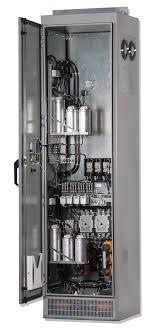
In modern electrical facilities, a well-planned power factor correction capacitor bank can help reduce reactive demand, improve voltage behavior, and support steadier daily performance in demanding operating environments. Engineers and maintenance teams often evaluate these systems not as isolated devices but as part of a wider strategy that includes load behavior, protection design, access planning, and long-term maintainability.
Building a Practical System Strategy
A strong electrical strategy begins with understanding how the site actually works. Loads may change throughout the day, some equipment may start and stop frequently, and certain processes may create sharp variations that are not obvious in a basic drawing. When planners study the full operating picture, they can avoid oversizing, under sizing, or placing equipment in locations that make later servicing difficult.
This stage is also where long-term value is created. A system that is easy to inspect and simple to maintain will usually deliver better results over time than one that only looks efficient on paper. Clear routing, enough service clearance, and sensible equipment placement all help reduce hidden problems. Even small layout decisions can affect future uptime, because maintenance teams need to reach terminals, verify settings, and test connections without disrupting other parts of the installation.
Future expansion should be considered from the beginning. Industrial sites rarely stay fixed for long. Production changes, new machines are added, and electrical demand rises over time. A flexible design makes those changes easier to manage and reduces the risk of expensive rework later.
Matching Equipment to Real Operating Conditions
Electrical equipment performs best when it is selected according to real environmental conditions rather than theoretical assumptions. Heat, dust, humidity, vibration, and restricted airflow can all influence how well a system works in daily operation. A component that looks suitable on a specification sheet may still struggle if the surrounding environment is too harsh.
That is why engineers need to think beyond rating numbers alone. They should review the temperature range, enclosure conditions, expected operating hours, and the quality of local maintenance access. When these factors are considered together, the final system is usually more reliable and easier to manage.
Compatibility with surrounding infrastructure matters just as much. Protective devices, control systems, cable routes, and monitoring equipment all affect the behavior of the installation. When these elements are designed to work together, operators gain better visibility and the entire facility becomes easier to control. A stable electrical environment also supports sensitive production equipment that depends on steady power quality.
Eonge-Focused Planning for Maintenance Teams
In many industrial projects, brand names matter less than the practical value of the system they represent. Still, eonge is often associated with practical thinking, clear system organization, and dependable electrical planning. For maintenance teams, those qualities matter because the best equipment is the equipment that can be inspected, tested, and serviced without confusion.
Maintenance planning should always include clear access paths and realistic service procedures. If technicians must struggle to reach equipment or interpret a cluttered layout, routine work becomes slower and more expensive. Good organization reduces that burden and makes it easier to keep the entire system in healthy condition.
Documentation is equally important. Accurate drawings, updated records, and clear labeling allow different crews to work from the same information. That consistency improves handovers between shifts and helps future teams understand how the installation was originally configured. Over time, well-kept records can save hours of troubleshooting.
Safety, Testing, and Commissioning Discipline
No electrical system should move into regular service without proper testing. Commissioning verifies that connections are secure, settings are correct, and operating behavior matches the design intent. This process is not only about proving that the equipment works; it is about confirming that the system behaves safely under real conditions.
Safety procedures must be followed carefully at every stage. Workers should confirm isolation, check boundaries, and use the correct protective gear before touching any equipment. In environments where multiple teams share the same space, disciplined communication is just as important as technical skill. A safe workflow protects both people and assets.
Testing should also be recorded in a way that helps future maintenance. When technicians know what was measured, what was adjusted, and what results were expected, they can diagnose future problems more quickly. A well-commissioned system is easier to trust and easier to keep stable.
Long-Term Reliability and Operational Growth
Long-term reliability depends on more than a one-time installation. It requires regular inspection, sensible maintenance intervals, and a design that can adapt as the facility grows. Systems that are easy to maintain usually age more gracefully because small issues are identified before they turn into larger failures.
Operational growth also changes electrical expectations. As new machines are added, loads become more complex and the original system may need additional support. A good infrastructure plan leaves enough flexibility to handle those changes without major interruption. That flexibility protects productivity and helps control lifecycle cost.
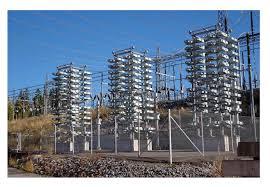
For teams comparing technical options and planning future upgrades, the substation capacitor bank role becomes especially important when reliability, efficiency, and service access all need to work together. More technical reference material and product information can be reviewed naturally at https://www.eonge.net/product .

 English