
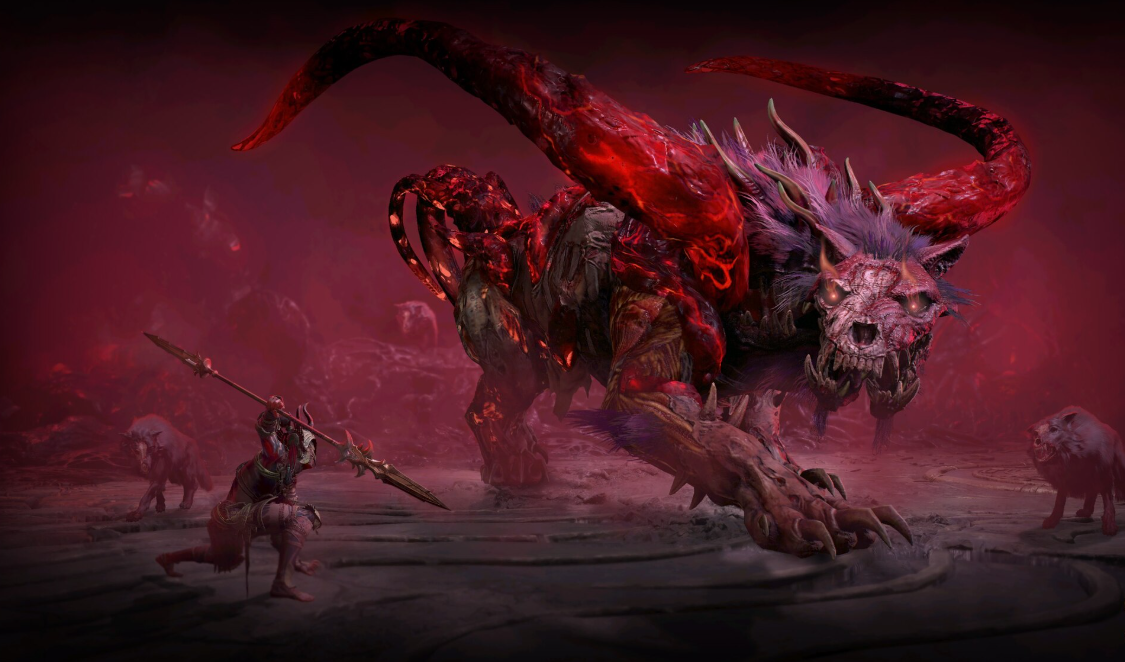
The Lord of Hatred expansion, set to launch on April 28, 2026, delivers a Diablo IV Items comprehensive overhaul to Diablo 4’s skill systems. All eight classes receive significantly expanded skill trees with deeper customization through variants, modifiers, and tag changes. The Necromancer and Sorceress see particularly impactful updates that enhance their core identities—minion armies for the Necro and elemental mastery for the Sorceress—while integrating seamlessly with the new level cap and endgame systems.
The Universal Skill Tree Rework
The new skill tree design removes traditional passive nodes, shifting focus entirely to active skills and their modifiers. Each skill now supports up to twelve possible combinations through three major modifiers plus layered secondary options. These alter damage types, effects, durations, visuals, and behaviors, allowing skills to feel fundamentally different based on investment. Skill points per ability can reach higher values (up to 15 in some cases), and level-based unlocks make progression feel natural up to the new cap around level 70. Lord of Hatred owners gain over 20 additional transformative choices per class.
Necromancer Skill Tree Changes
The Necromancer receives fundamental adjustments centered on its minion identity and the Book of the Dead mechanic. Raise Skeletons splits into two distinct skills: Skeletal Mages (summoned with Essence) and Skeletal Warriors (passively raised from corpses and now commandable via a new dedicated skill). Golems also integrate directly into the skill tree for greater customization.
Minions gain expanded upgrade paths while the Book of the Dead largely remains intact for defining minion types and upgrades. Sacrifice options persist, but you can now maintain active summons alongside sacrificed buffs in many configurations. This enables massive armies—community speculation points to 20–30+ skeletons possible with proper investment and new uniques.
Other skills receive tag modifications (blood, bone, darkness) and variant options for hybrid play. New mobility options, such as dash-like effects on Sever or Corpse Tendrils, address the class’s historical lack of speed. Core, curse, and ultimate skills gain branching paths for AoE clear, single-target burst, or defensive layering.
Sorceress Skill Tree Changes
The Sorceress overhaul emphasizes elemental flexibility. Nearly every skill now offers variants that swap damage types—turning fire into cold, lightning into frost, or blending elements for new synergies. A standout example is the Hydra rework: the base fire version gains a Frost Hydra variant exclusive to Lord of Hatred, swapping burning damage for piercing chill effects and altering conjuration dynamics.
Core skills like Fireball, Chain Lightning, and Blizzard gain conversion options (e.g., Frostball or Cold Chain Lightning). The latter can chill enemies by 25% and scale damage dramatically (up to 100x based on chill/freeze status). Defensive skills such as Teleport and Ice Armor receive mobility and crowd-control variants, including frost trails or enhanced barriers.
These changes allow Sorceresses to pivot builds fluidly—pure elemental specialists, hybrid casters, or conjuration-focused controllers—without needing entirely new skills.
Leveling Strategies for Necromancer
For efficient leveling, prioritize minion skills early:
Levels 1–20: Unlock Skeletal Warriors for passive summons and a basic Essence generator. Add a core curse or bone skill for clear speed.
Levels 21–40: Invest in Skeletal Mages and Golem variants. Experiment with command skills and early sacrifice nodes for power spikes.
Levels 41–60+: Layer tag modifiers for bleed/bone synergies and mobility dashes. Focus on army scaling and ultimate summons.
The tree’s structure supports minion-heavy or minion-light corpse-explosion styles equally well.
Leveling Strategies for Sorceress
Sorceress leveling benefits from elemental experimentation:
Levels 1–20: Start with a familiar core skill (Fireball or Arc Lash) and choose an early elemental variant for comfort.
Levels 21–40: Unlock Hydra and add defensive Teleport variants. Test cold conversions for crowd control.
Levels 41–60+: Max elemental swapping on multiple skills and invest in conjuration or lightning chain modifiers for dense content.
High mobility and chill synergies make Sorceress feel safer and more adaptable during campaign and Helltide farming.
Endgame Potential and Synergies
In the post-launch endgame with Torment difficulties, new uniques, mythics, Talismans, and the refreshed Horadric Cube amplify these trees. Necromancers can lean into overwhelming minion swarms or hybrid bone/darkness builds, while Sorceresses exploit elemental weaknesses and chill-overpower interactions for top-tier damage.
Both classes gain from the universal loot filter and crafting improvements, making it easier to chase affixes that enhance specific variants. Hybrid builds mixing Necro summons with Sorceress elements via runewords could emerge as creative powerhouses.
Why These Changes Matter
The Necromancer and Sorceress updates breathe fresh life into two beloved classes. Necro players finally get commandable, scalable armies reminiscent of classic Diablo II fantasies, while Sorceresses enjoy true elemental freedom beyond fixed damage types. Combined with the broader skill tree philosophy of meaningful choices over flat passives, these reworks promise high replayability as players push new content in Skovos against Mephisto’s forces.
With the expansion just days away, theorycrafters are already mapping optimal variant paths. Whether you raise undead legions or command the elements, the buy Diablo 4 materials Lord of Hatred skill trees ensure every caster feels powerful and personalized.

 اللغة العربية