
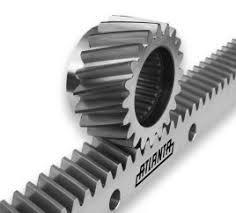
In advanced industrial machinery, a properly designed Helical Gear Rack improves transmission smoothness, and a well-optimized Helical Gear Rack also enhances positioning accuracy in linear motion systems. These components are widely used in automation equipment, CNC systems, and material handling machinery where precision and stability are critical. By combining controlled motion with durable structural design, industrial systems can achieve higher efficiency, reduced mechanical wear, and improved long-term operational reliability.
1. Mechanical Principles Behind Helical Motion Systems
Helical motion systems operate through angled tooth engagement, which allows gradual contact between components. This design reduces impact stress and ensures smoother force transmission compared to straight-cut mechanisms. The result is quieter operation, improved load distribution, and enhanced durability.
In industrial applications, this type of motion system is especially valuable in environments requiring continuous operation. Proper alignment and precision manufacturing are essential to maintain efficiency and reduce friction losses. When these conditions are met, the system delivers stable performance even under high-load conditions.
2. Enhancing Accuracy Through Engineering Design
Accuracy is a key requirement in modern automation systems. Even small deviations in mechanical alignment can lead to performance inefficiencies or product defects. Precision engineering ensures that movement remains controlled and predictable throughout operation cycles.
Improved accuracy also reduces energy consumption because less force is wasted compensating for misalignment or vibration. Over time, this leads to lower operational costs and longer equipment lifespan. Consistent motion control is particularly important in industries where repeatability and precision are essential for quality assurance.
3. Yc-Rack Engineering Strategy for Industrial Reliability
Yc-Rack emphasizes structural durability and adaptable design to meet the demands of modern industrial environments. Its engineering approach focuses on balancing strength, flexibility, and long-term operational stability. Modular construction allows systems to be adjusted based on changing production requirements without requiring full replacement.
This flexibility is especially valuable in industries where workflows evolve frequently. Whether adjusting load capacity or integrating new systems, adaptable engineering ensures continued efficiency. Strong material selection and precise manufacturing standards further contribute to long-lasting performance and reduced maintenance needs.
4. Maintenance Practices and System Longevity
Regular maintenance is essential for ensuring consistent mechanical performance. Lubrication, alignment checks, and wear monitoring help prevent system degradation and extend service life. Proper maintenance also reduces unexpected downtime, which is critical in high-demand production environments.
A well-maintained system operates more efficiently and experiences fewer mechanical disruptions. This improves productivity while lowering long-term repair costs. Preventive maintenance strategies allow facilities to identify potential issues early, ensuring smoother and more reliable operation over time.
5. Scalability and Future Industrial Applications
Industrial systems must be designed with future growth in mind. As production demands increase, equipment should be able to adapt without requiring complete replacement. Scalable designs allow businesses to expand capacity, modify layouts, and integrate new technologies with minimal disruption.
This forward-thinking approach reduces long-term investment risks and ensures operational continuity. Flexible systems support evolving industrial requirements while maintaining efficiency and stability. Companies that prioritize scalability are better positioned for long-term success in competitive markets.
For additional product information and industrial solutions, visit https://www.yc-rack.com/product/ .

 English