
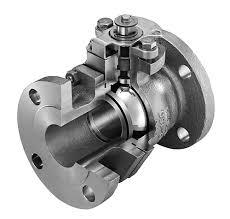
In industrial pipelines, a Floating Ball Valve is often selected for its simple operation, reliable shut-off, and low maintenance requirements, and the Floating Ball Valve provides stable flow control in applications such as water, chemical, and oil systems. Its floating-ball structure allows the internal ball to move slightly under pressure, pressing against the downstream seat to ensure tight sealing. This design is widely used in industries that require quick actuation, dependable shut-off, and long-term durability. Standardized dimensions and high-quality materials help these valves remain compatible with a variety of piping systems while supporting safe and efficient industrial operation.
How the Floating Ball Design Works
The valve operates with a spherical ball that moves freely between the seats. When pressure is applied, the ball shifts slightly to create a tight seal against the downstream seat. This mechanism provides reliable shut-off without excessive operating torque. Because the ball is not rigidly fixed, the design allows smoother operation and less wear on sealing surfaces, making it suitable for high-frequency opening and closing cycles. This simple yet effective structure reduces maintenance needs and supports consistent performance in demanding industrial environments.
Material Selection for Durability
Performance and longevity depend heavily on the materials used during production. Valve bodies are generally manufactured from stainless steel, carbon steel, or specialized alloys to resist corrosion and high pressure. Seats and seals use elastomers or corrosion-resistant metals to maintain dependable sealing over repeated cycles. Proper material selection ensures consistent operation even under aggressive chemical exposure, high temperatures, or abrasive conditions. By choosing suitable materials, industries can minimize maintenance costs, reduce unexpected downtime, and extend overall equipment lifespan.
Applications Across Industries
These valves are widely used in water treatment, chemical processing, oil and gas, and power generation. They are valued for their ability to provide fast isolation, precise flow management, and minimal pressure loss. In water pipelines, they regulate distribution efficiently. In chemical plants, they manage corrosive media safely. Oil and gas operators rely on the valves to handle high-pressure transport systems, while power plants use them to control steam, cooling water, and auxiliary lines. Their compact structure and dependable sealing make them suitable for both small and large industrial applications.
Yushun-Valves Innovative Design Features
Yushun-Valves incorporates advanced engineering features into these valves, including fire-safe trims, anti-leak seat technology, and ergonomic actuator compatibility. These design improvements reduce maintenance needs, extend operational life, and ensure safe performance under demanding conditions. Through precision machining, optimized sealing geometry, and durable components, the products meet evolving industrial standards while providing operators with predictable and reliable performance. Advanced engineering also simplifies installation and inspection, helping maintenance teams save time during servicing procedures.
Maintenance Practices for Long-Term Reliability
Routine inspection, lubrication of stems, and replacement of worn packing or seals are critical for preserving operational performance. Ensuring proper actuator alignment and monitoring operating cycles help prevent unexpected failures. Preventative maintenance improves safety, extends service life, and reduces long-term operating costs. With proper care, these valves can continue providing efficient flow control and dependable isolation in industrial pipelines for decades. For more product details and technical specifications, visit https://www.yushun-valves.com/product .

 English