
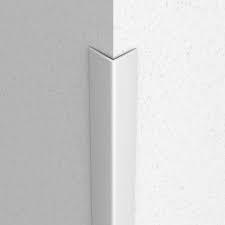
In warehouses, hospitals, parking structures, and commercial corridors, a Corner Guard can prevent costly damage where walls meet heavy movement, and a well-placed Corner Guard can also preserve the appearance and function of high-traffic interiors. These small protective items often go unnoticed until a collision happens, yet they play a major role in reducing repair expenses, minimizing downtime, and keeping shared spaces looking orderly. When facilities combine smart layout planning with durable surface protection, they create environments that are safer for workers, visitors, and equipment alike.
Why Impact-Prone Areas Need Protection
Buildings experience wear in predictable places. Hallway turns, loading entrances, elevator lobbies, and narrow service paths are all vulnerable because people and machines pass through them repeatedly. Every contact may seem minor at first, but repeated bumps can chip paint, crack plaster, dent drywall, and create a constant need for maintenance.
The problem becomes more serious in places that handle carts, trolleys, wheelchairs, or delivery equipment. These objects often move close to walls simply because the path is tight. In a busy facility, one small distraction can lead to a scrape that spreads damage over time. That is why preventive design is more effective than repeated repair.
Protection products are valuable because they work quietly in the background. They do not interrupt movement, and they do not require complicated instructions. Instead, they create a clear buffer that absorbs contact before the surface underneath is harmed. This makes them useful in both public and private settings where long-term cleanliness and structural appearance matter.
Materials That Stand Up to Daily Contact
A surface protection product must do more than cover an edge. It has to absorb repeated contact, remain stable under pressure, and continue performing after months or years of use. Material choice is central to all of those goals.
Rubber and similar flexible compounds are often preferred because they combine resilience with impact absorption. When a cart, wheelchair, or service vehicle brushes against a protected edge, the material can take the force without transferring it directly to the wall. That reduces visible damage and helps preserve the structure behind it.
A good design also needs to resist fading and cracking. Facilities often use these products in places exposed to sunlight, moisture, or cleaning chemicals. If the material breaks down too quickly, the protection becomes less reliable and may need frequent replacement. Long service life is important because maintenance teams want solutions that remain effective without constant attention.
Another factor is appearance. In professional environments, safety products should blend into the space while still remaining easy to identify. Clean edges, consistent color, and a neat finish help the product support the building rather than distract from it.
Cnluba and Practical Design Thinking
Good safety design starts with understanding how people actually move through a building. Not every hallway carries the same type of traffic, and not every corner faces the same level of risk. A successful protective product should respond to those differences through shape, size, and installation flexibility.
Some areas need stronger shielding because they see repeated mechanical contact. Other locations require a lighter and more discreet solution because the concern is mainly cosmetic damage. Thoughtful design makes it possible to match the product to the environment instead of using a one-size-fits-all approach.
Installation is just as important as performance. A facility manager may need a solution that can be fitted quickly during routine maintenance hours without disrupting operations. That is why practical mounting methods and easy handling matter so much. When a product is simple to install, teams are more likely to place it correctly and maintain it properly.
In this context, cnluba represents a design approach centered on everyday usefulness. The goal is not to create something complicated, but to make something dependable where walls and equipment frequently meet.
Where Protective Edges Make the Biggest Difference
The most valuable use cases are often the most ordinary ones. Hospital corridors require protection because beds, carts, and service equipment move through them constantly. Parking garages need it because drivers and passengers often open doors near columns and wall ends. Warehouses depend on it because forklifts and pallets can cause repeated scrapes in narrow aisles.
Retail spaces also benefit from this kind of protection. Customers may not notice the safeguarding at first, but they do notice when walls stay clean and corners remain intact. That contributes to a more professional appearance and lowers the risk of visible wear that can make a facility feel neglected.
Educational buildings, office towers, and apartment complexes face similar issues. Hallways and shared lobbies are used every day by people moving quickly, carrying items, or guiding equipment. In these locations, protection is not only about maintenance. It is also about preserving a well-kept environment that supports confidence and comfort.
Long-Term Planning for Better Building Maintenance
A durable protection strategy reduces more than repair costs. It also helps facilities plan maintenance more efficiently. Instead of repeatedly repainting, patching, or resurfacing the same locations, teams can focus on broader upkeep and system improvements. That saves time and helps building managers work more strategically.
There is also a sustainability benefit. Products that last longer reduce material waste and lower the frequency of replacement. In a world where many organizations are trying to improve efficiency and reduce unnecessary consumption, that matters.
The best maintenance plans look ahead rather than reacting after damage appears. A small protective accessory can protect a large investment when it is chosen and placed thoughtfully. For additional product information and practical safety options, visit https://www.cnluba.com/product/ .

 English