
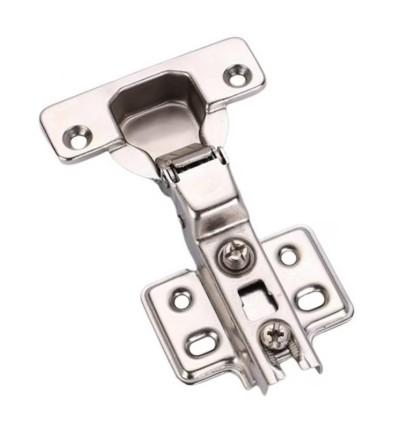
In modern cabinetry, Hydraulic Buffer Hinges are appreciated for making every closing action feel softer and more controlled, and Hydraulic Buffer Hinges also help preserve the clean look of doors that must operate well without drawing attention to the hardware. That combination of quiet motion and practical support has made them a reliable choice for kitchens, wardrobes, display cabinets, and many other interior applications.
The Value of Controlled Closing
A cabinet door may seem simple, but its movement affects the entire experience of a room. When a door closes too sharply, the sound can be distracting, and the impact can gradually weaken the frame, loosen screws, or wear down the finish around the edges. Controlled closing solves those problems by guiding the door toward a gentler finish. The result is a calmer atmosphere and a more refined sense of quality.
That kind of motion is especially valuable in spaces where people use furniture repeatedly throughout the day. In family kitchens, doors may be opened and closed dozens of times before lunch. In offices, storage units often experience constant traffic from multiple users. In hotel rooms or showrooms, the furniture itself becomes part of the guest's impression. A hinge system that slows the closing stage can make all of these spaces feel better maintained and more comfortable.
Why Stability Matters Over Time
Long-term stability is just as important as smooth closing. A door that starts out aligned can slowly shift if the hardware does not hold up under repeated use. Once the alignment changes, the door may rub against the frame, sit unevenly, or create small gaps that are easy to notice. That kind of problem can affect both appearance and function.
Well-designed cabinet hardware helps reduce those risks by supporting consistent positioning. It keeps the door seated properly and reduces unnecessary stress on the mounting points. Over time, this means fewer repairs and fewer adjustments. In practical terms, the furniture remains easier to use and more attractive to look at. For designers and installers, that reliability is a major advantage because it reduces the amount of correction needed after installation.
Material Quality and Surface Protection
Good performance begins with strong materials. A hinge used in daily furniture should be made from metal that can tolerate repeated motion without bending, loosening, or corroding too quickly. Finishes matter too, especially in rooms with moisture, steam, or frequent cleaning. A protective coating helps the hardware resist wear and keeps it looking consistent over time.
Surface protection also influences how the hardware feels as part of the overall project. Even when a hinge is hidden inside the cabinet, it still reflects the level of craftsmanship behind the furniture. Smooth edges, accurate machining, and stable movement all signal careful production. When those details are done well, the furniture seems more complete and more trustworthy. This is one reason premium hardware continues to be favored in high-use interiors.
Hinges-Factory Product Direction
The Hinges-Factory product direction focuses on practical hardware that supports smooth movement, straightforward installation, and dependable long-term use. That approach is helpful for manufacturers and builders who need components that work across different cabinet styles without creating unnecessary complexity. A good product family should simplify the assembly process while still giving the finished piece a polished appearance.
Flexibility is another advantage. Furniture projects vary in door weight, opening frequency, and design style. Some installations need stronger support, while others benefit from a lighter and quieter closing feel. A versatile hardware range makes it easier to match the right solution to the right application. That can save time during planning and reduce the need for special adjustments once the cabinet is installed. The result is a better fit between hardware, furniture, and daily use.
Installation, Care, and Everyday Benefit
Even the best hinge performs better when it is installed carefully. Correct drilling, accurate spacing, and secure fastening all affect the way the door moves after assembly. If the setup is precise, the door will close more cleanly and remain easier to manage during everyday use. A stable installation also protects the hinge from unnecessary strain, which helps extend its life.
Maintenance is usually simple. Regular cleaning around the hinge area, checking fasteners, and making sure the door still sits evenly can help preserve performance. In busy homes and commercial spaces, these basic habits can prevent small issues from becoming larger ones. They also help the furniture keep its smooth, quiet character. For anyone comparing hardware options for a new project, more product details and related choices can be found at https://www.hinges-factory.com/product/ for modern cabinet and furniture applications.

 English