
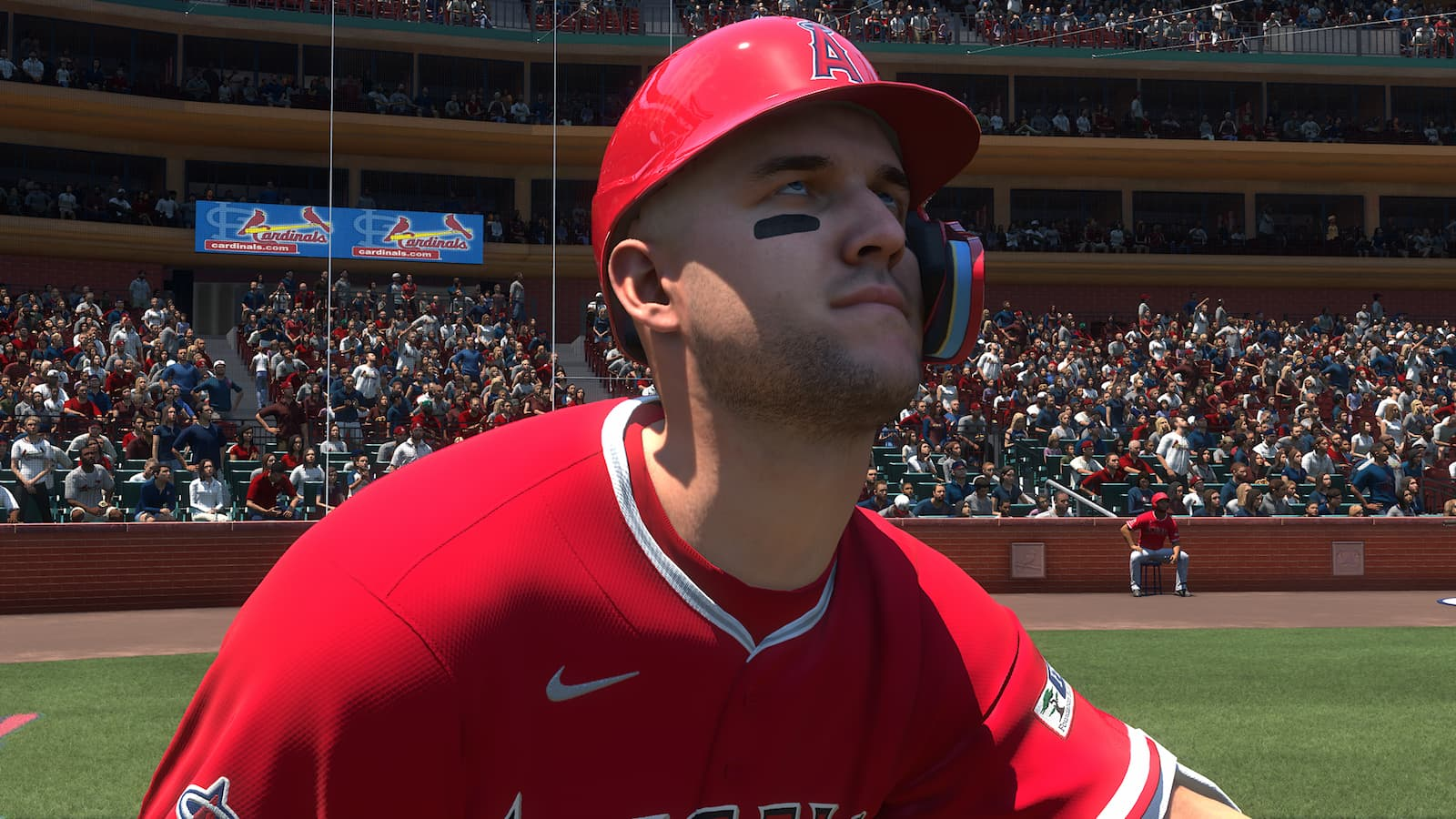
Most players chase big names first, but the real edge usually comes from the grind underneath it. If you know how PXP works and when to use MLB 26 stubs smartly, you can turn a good card into one that just keeps getting better. That is the part people miss. The card is not finished when you pack it. It is only getting started.
How the system really works
There are two things to keep in mind right away. First, Parallel levels give every card a steady boost as PXP builds up. Second, mods let you shape a card around one clear role. You cannot stack them all at once, so the choice matters. A contact-heavy hitter, a speed guy, or a strikeout pitcher all want different upgrades. That is why the best squads usually look a bit uneven on paper, but play better than they should.
| Action | Base PXP |
|---|---|
| Plate Appearance | 40 |
| Home Run | 40 |
| Inning Pitched | 40 |
| Strikeout | 10 |
What to chase first
If you are building around one card, the early missions matter most. A contact mod often asks for a few thousand PXP plus a small hit total. Speed and fielding paths are slower, because they lean on steals or innings played. Pitching mods can take longer still, since you need both workload and results. One of the bigger surprises is how strong a Pure Contact Mastery-style boost feels in actual games. Extra contact, vision, and clutch changes the way at-bats play out. You stop nibbling. You start forcing mistakes.
- Use one card in a focused role instead of spreading stats too thin.
- Prioritise missions that match how you already play.
- Do not ignore Parallel levels, because the base boosts never go away.
- Save high-value cards for the modes where PXP comes fastest.
Best way to farm progress
People often ask where the real PXP comes from, and honestly, it is usually from simple, repeatable games. Online competitive modes pay more because of the multiplier, so Ranked, Events, Battle Royale, and Co-op can move faster if you are comfortable there. Offline is steadier, though. Rookie is fine for warm-ups, but higher difficulty pays much better. A solo homer on All-Star feels a lot better when you see the reward jump too. At Hall of Fame or Goat, every clean swing starts to matter in a different way.
Making the grind feel worth it
The neat part is that these systems feed each other. PXP moves Parallel levels forward, Parallel levels make every card stronger, and the right mod pushes that card into a sharper version of itself. That is why a lot of players keep one or two favourites in the lineup for a long time. They are not just collecting stats. They are building something that reflects how they play. And if you want to speed things up without wasting time, it helps to plan your lineup, your mode choice, and even how you spend buy MLB The Show 26 stubs so every game actually moves the card somewhere useful.

 English